


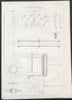


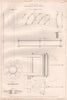


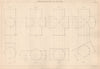




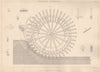


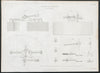

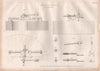

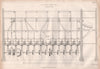

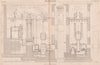


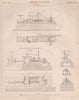

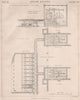

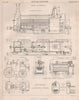

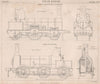
Prisms, locomotive parts and mill machinery make the prints of W. A. Beever a study in the visual language of Victorian engineering, showing how an object is shaped, assembled and set down on paper. Beever was a British engraver active in the nineteenth century, whom museum records also associate with architectural illustration and a plate of the steamship Comet, and the technical plates here date from the 1840s to the 1870s. Geometrical projections explain solids and their intersections, and working drawings cover rails, chairs, gearing, brackets and pillow-blocks. Waterwheels, machinery for dressing millstones, locomotive diagrams and workshop construction details carry the exercises into mill, railway and factory engineering.
EU orders up to €150 are sent VAT- and duty-paid — no additional taxes on arrival
Authenticity Guaranteed - We only sell original antique & vintage items
Can we help? Call us on +44-208-960-3476 • FAQs
All our products are exempt from US tariffs — no additional duties or taxes payable on arrival.


- Shop by Country
- Shop by Cartographer
- Shop Maps by Type
- Shop Prints by Subject