


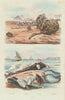


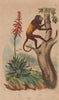


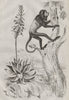

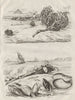
Plants, insects, shells and a howler monkey share the crowded plates of these natural-history engravings by Beyer from the 1830s. They are associated with the Dictionnaire pittoresque d'histoire naturelle, and their French captions and grouped figures follow the order of a dictionary rather than of a single species. Cone shells, ammonites, sea anemones and barnacles appear with dragonflies, moths and mites, while the botanical subjects range from acacia and gum arabic to aloe, monkshood and cashew.
EU orders up to €150 are sent VAT- and duty-paid — no additional taxes on arrival
Authenticity Guaranteed - We only sell original antique & vintage items
Can we help? Call us on +44-208-960-3476 • FAQs
All our products are exempt from US tariffs — no additional duties or taxes payable on arrival.


- Shop by Country
- Shop by Cartographer
- Shop Maps by Type
- Shop Prints by Subject