
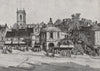

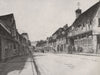


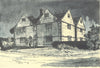

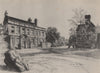

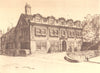

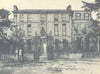

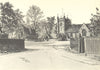


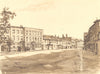

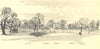

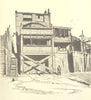

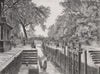

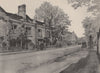

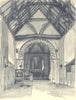

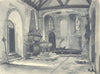

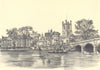

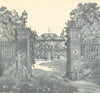

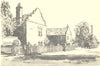

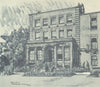


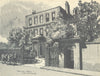

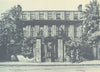

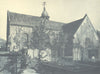

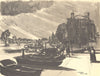

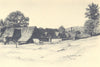

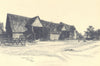

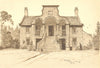


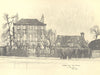

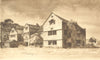

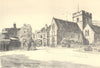

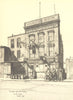
Quiet streets, Thames-side houses and working farms fill the prints after Wilfred Fairclough (1907–1996), the British artist and printmaker who took part in Recording Britain, the Pilgrim Trust's project to document buildings and landscapes threatened by change and war. Henley, Maidenhead, Windsor, Ham and Petersham recur in his bridges, churches, lodges and substantial houses, and paired views of Montrose House from front and back, or of both ends of Mongewell's church, show his attention to individual buildings. Farms near Stonor, buildings at Wycombe, Dover and in Lancashire, and the Prospect of Whitby at Wapping widen the range. The prints are reproduced from post-war book illustrations.
EU orders up to €150 are sent VAT- and duty-paid — no additional taxes on arrival
Authenticity Guaranteed - We only sell original antique & vintage items
Can we help? Call us on +44-208-960-3476 • FAQs
All our products are exempt from US tariffs — no additional duties or taxes payable on arrival.


- Shop by Country
- Shop by Cartographer
- Shop Maps by Type
- Shop Prints by Subject