


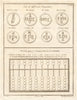


Chinese dress, music, coins and the abacus appear in these prints after Jean-Baptiste du Halde (1674–1743), the Jesuit compiler whose great account of China gathered information supplied by others. They are later engraved adaptations published in Thomas Astley's New General Collection of Voyages and Travels in 1746, with engravers such as N. Parr and James Basire translating the material for English readers. Funeral ceremonies, imperial and religious costume and women's dress appear alongside coins, the abacus and musical notation.
EU orders up to €150 are sent VAT- and duty-paid — no additional taxes on arrival
Authenticity Guaranteed - We only sell original antique & vintage items
Can we help? Call us on +44-208-960-3476 • FAQs
All our products are exempt from US tariffs — no additional duties or taxes payable on arrival.


- Shop by Country
- Shop by Cartographer
- Shop Maps by Type
- Shop Prints by Subject