


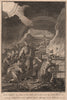
Noah's altar after the Flood, the building of Babel and the life of Abram are told scene by scene in these prints by Moet, the draughtsman credited in Thomas Stackhouse's A New History of the Holy Bible. The plates were issued in London for John Hinton in 1752, with engraving credited to Gucht. Abram's departure for Canaan, the rescue of a captive kinsman, the meeting with Melchizedek and Abram's deep sleep complete a focused Old Testament sequence in which figures and actions carry the story.
EU orders up to €150 are sent VAT- and duty-paid — no additional taxes on arrival
Authenticity Guaranteed - We only sell original antique & vintage items
Can we help? Call us on +44-208-960-3476 • FAQs
All our products are exempt from US tariffs — no additional duties or taxes payable on arrival.


- Shop by Country
- Shop by Cartographer
- Shop Maps by Type
- Shop Prints by Subject