
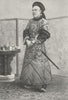


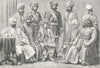

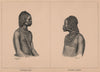



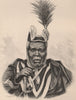


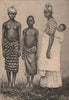


Diplomats, artisans, families and regional dress give the prints after Étienne Ronjat a strongly human character. A French painter and draughtsman (1822–1912), Ronjat supplied drawings that specialists engraved for illustrated books, and these come from the English edition of Élisée Reclus's Universal Geography, edited by E. G. Ravenstein, around 1885. The subjects range across Asia, Africa and Europe, from rulers to Tibetan women, Ainu subjects, Kurdish dress and figures from the Congo region; a portrait of the Chinese minister Tseng credits Ronjat's drawing and Armand Kohl's engraving. The plates reflect the categories and sources of Victorian illustrated geography, and do not show that he visited every place or drew from life.
EU orders up to €150 are sent VAT- and duty-paid — no additional taxes on arrival
Authenticity Guaranteed - We only sell original antique & vintage items
Can we help? Call us on +44-208-960-3476 • FAQs
All our products are exempt from US tariffs — no additional duties or taxes payable on arrival.


- Shop by Country
- Shop by Cartographer
- Shop Maps by Type
- Shop Prints by Subject