


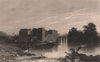


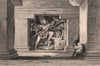


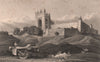


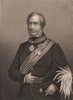


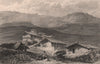


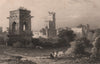


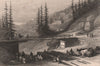

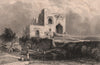






The rock-cut temples of Ellora, the palaces and tombs of Bijapur and the forts of Delhi, Agra and Gwalior fill these prints from The Indian Empire, Robert Montgomery Martin's mid-Victorian account of India, published in 1858 by the London Printing and Publishing Company. Beyond the monumental architecture, hill villages, bridges and mountain passes bring contrasting terrain, while religious practices, military encampments and portraits of British commanders widen the historical scope. Engraved views associated with Finden and other contributors translate earlier drawings for the book, and they reflect its colonial perspective.
EU orders up to €150 are sent VAT- and duty-paid — no additional taxes on arrival
Authenticity Guaranteed - We only sell original antique & vintage items
Can we help? Call us on +44-208-960-3476 • FAQs
All our products are exempt from US tariffs — no additional duties or taxes payable on arrival.


- Shop by Country
- Shop by Cartographer
- Shop Maps by Type
- Shop Prints by Subject