


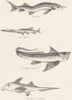

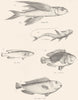

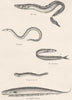

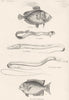

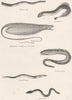

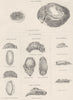

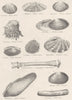

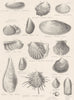

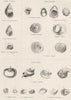


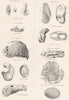

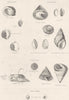


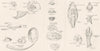

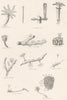

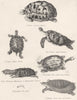

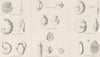

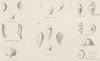

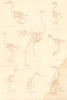

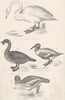

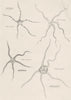

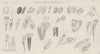

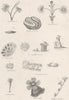

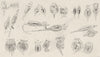

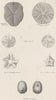

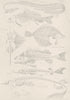

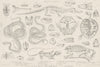

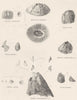

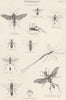

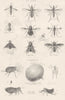

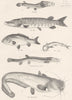

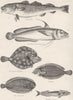


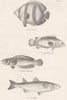

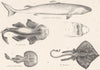
Shells, skeletons, barnacles and microscopic organisms crowd the densely arranged plates of The Museum of Natural History, a survey of the animal kingdom published by William Mackenzie around 1860, with William Dallas named in the work and the plates engraved by J. W. Lowry. Fish are shown in external form, anatomical detail and skeleton, with reptiles and birds treated in the same structural way. Diagrams explain the terms of conchology before grouped bivalves, univalves and other shells, and corals, brittle stars and microscopic life carry the sequence well beyond the vertebrates, all labelled for comparison in the classification of the day.
EU orders up to €150 are sent VAT- and duty-paid — no additional taxes on arrival
Authenticity Guaranteed - We only sell original antique & vintage items
Can we help? Call us on +44-208-960-3476 • FAQs
All our products are exempt from US tariffs — no additional duties or taxes payable on arrival.


- Shop by Country
- Shop by Cartographer
- Shop Maps by Type
- Shop Prints by Subject