
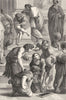


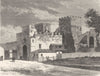





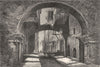


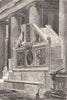


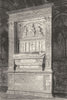





The arches of Constantine and Titus share the page with the fish market and the women of the Campagna in Wey's Rome, the English edition of Francis Wey's account of the city published by Chapman and Hall in London in 1872, with an introduction by William Wetmore Story. Wood engravings and a plan of Rome illustrated Wey's description of its buildings, art and inhabitants. Church entrances, sculptural reliefs and the Lateran join neighbourhood streets, palaces and markets, so the antiquities appear within the living city as nineteenth-century visitors saw it, before many later alterations.
EU orders up to €150 are sent VAT- and duty-paid — no additional taxes on arrival
Authenticity Guaranteed - We only sell original antique & vintage items
Can we help? Call us on +44-208-960-3476 • FAQs
All our products are exempt from US tariffs — no additional duties or taxes payable on arrival.


- Shop by Country
- Shop by Cartographer
- Shop Maps by Type
- Shop Prints by Subject